DQ Heating

When homeowners invest in designer radiators, the hallway is almost always the last room on the list. But it should probably be the first.

The hallway is the first space you and every guest experience when entering your home. It sets the tone for everything that follows. Yet despite the thousands spent on kitchens, living rooms and bathrooms, most hallways are left with a tired, builder-grade white panel radiator that has been there since the house was built. It’s time to change that.

That all important first impression:

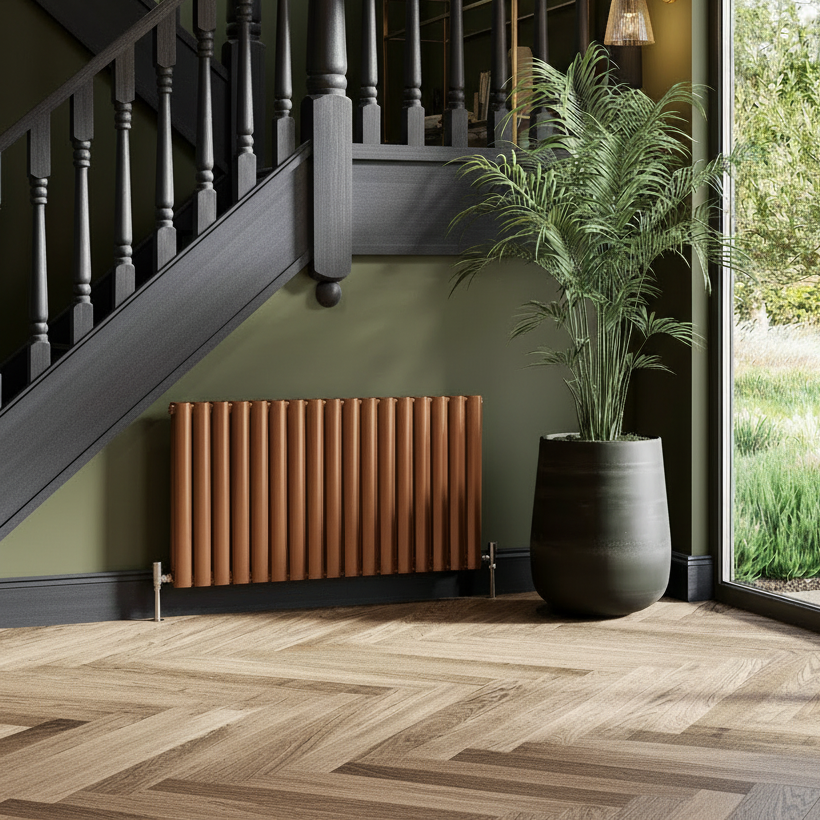
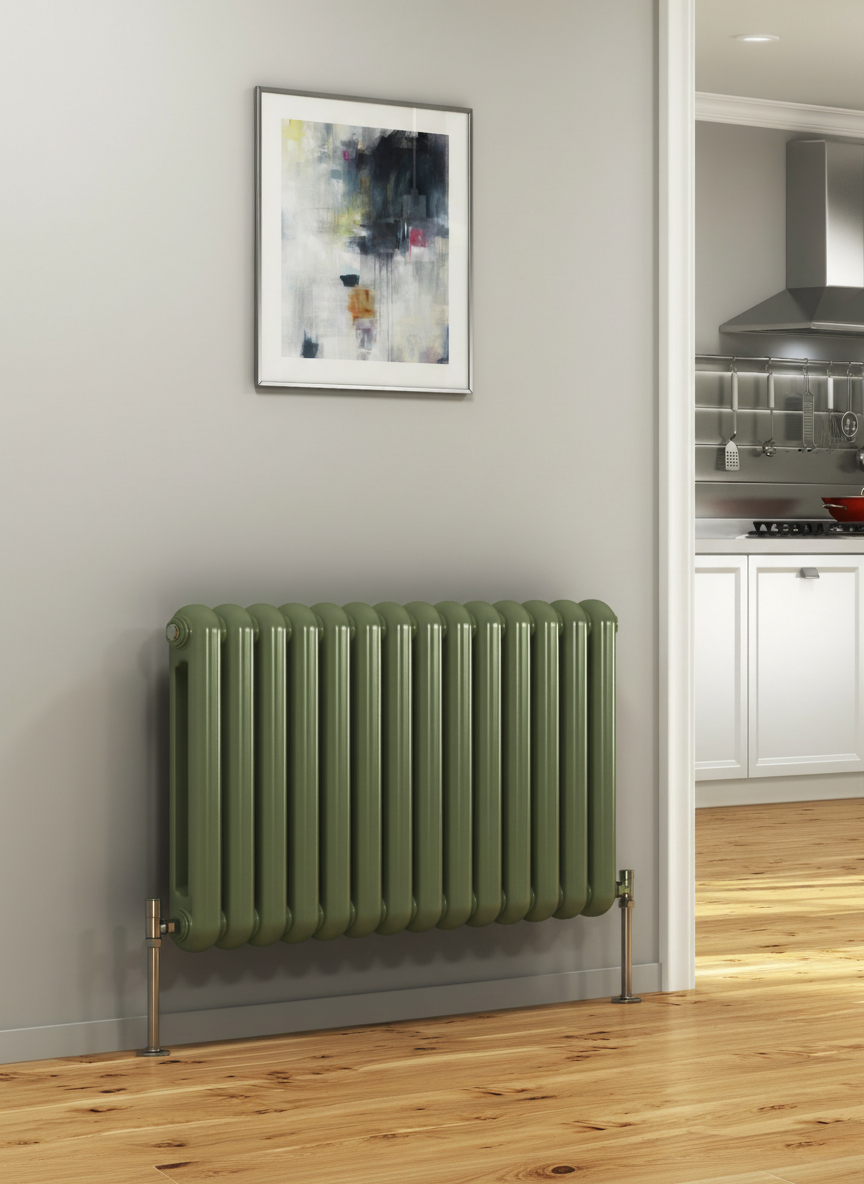
Your hallway is the first impression your guests/visitors get of your home – A sleek, minimalist vertical radiator in a contemporary new build like our Dune. Or a beautiful column radiator in a period property like our Modus. Each one says something deliberate about the home it is in.

If you contrast this with the entry level, white panel radiator that comes standard in most homes that stands as more of an eyesore than a statement piece. It’s a clear difference in how you set up the impression of your home.

Replacing a hallway radiator is also one of the most cost-effective design upgrades you can make. A quality designer radiator costs less than a new kitchen worktop but has an outsized effect on how the entire home is perceived.

Why do hallways get overlooked? 

Hallways are transitional spaces – You pass through them rather than live in them. They are usually narrow, poorly insulated and short on wall space. And it can often feel like a luxury rather than a necessity to heat them. But this thinking underestimates two things: the impact a hallway has on how your whole home feels, and how much time you actually spend in it. The hallway is one of the most used spaces in any home — it just does not get the design attention it deserves.

What to look for in a Hallway radiator:

When searching for your ideal hallway radiator, you should keep these factors in mind:

  • Size and Output: Don’t undersize hallway radiators; poor insulation and heat loss mean you should calculate the correct BTU output first. You can use the one on our website here.
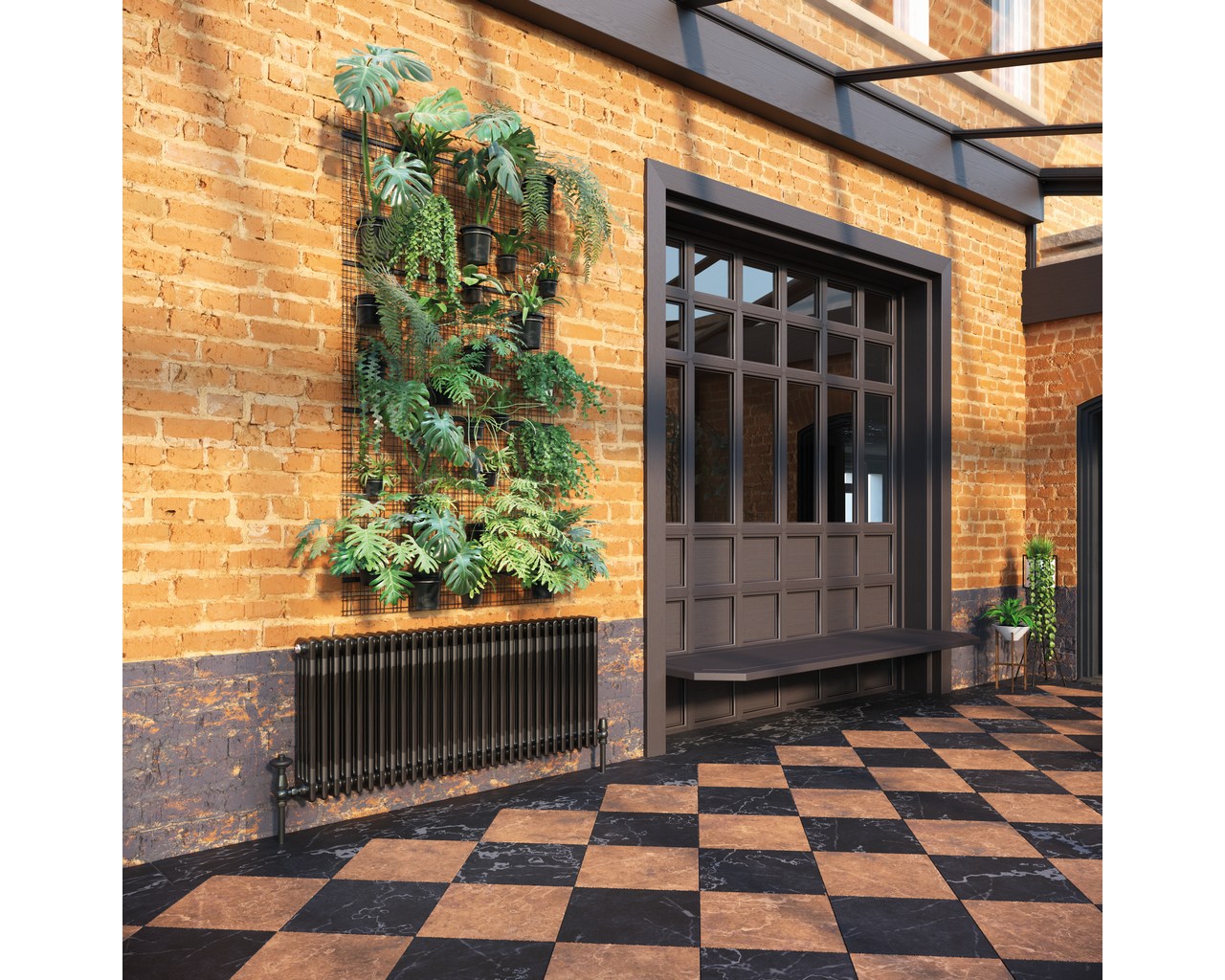
  • Material: Hallways are often cooler, so choose materials like cast iron or stainless steel that retain heat effectively after use
  • Finish: Connect your hallway to the rest of your home by matching finishes, such as brushed brass or monochrome tones.
  • Heating Options: As hallways aren’t always in use, electric radiators offer flexible, on-demand heating control when needed.
If you are wanting to make an impactful change without a full room remodel, start in the hallway. A designer radiator here will be seen every single day. It will keep the space genuinely warm, improve the efficiency of your wider heating system, and signal that every corner of your home has been considered.

Brochures

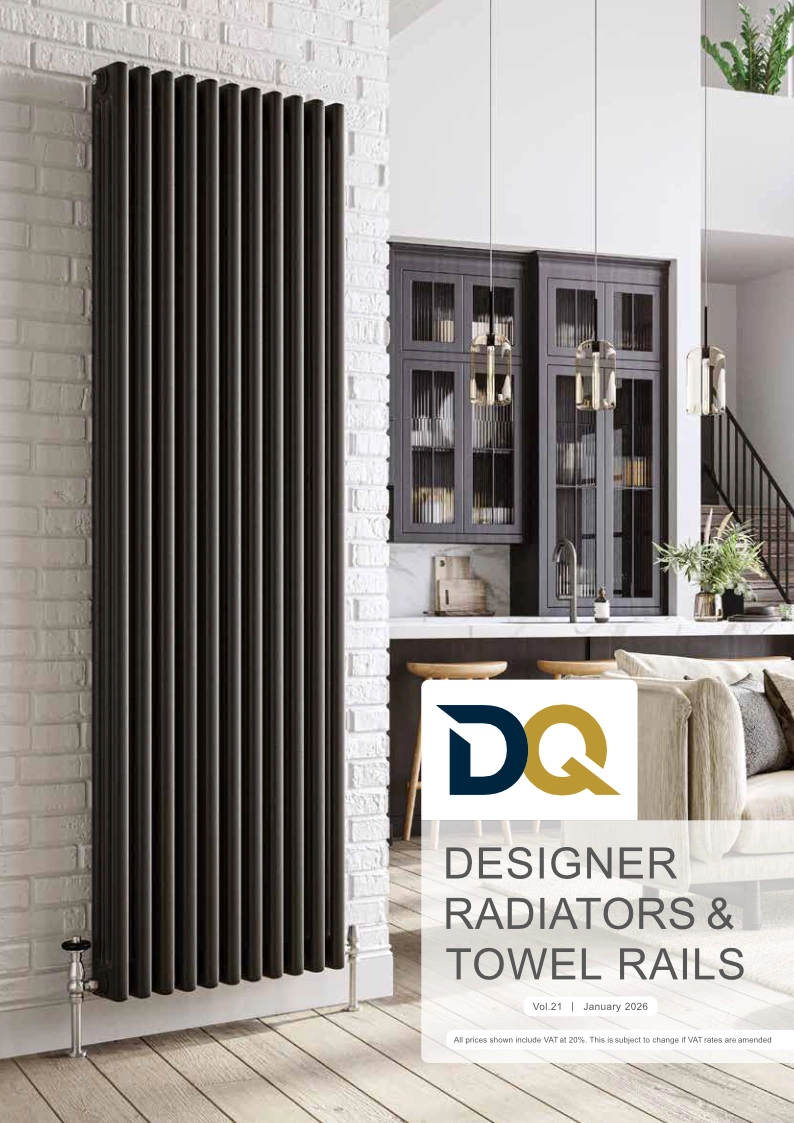
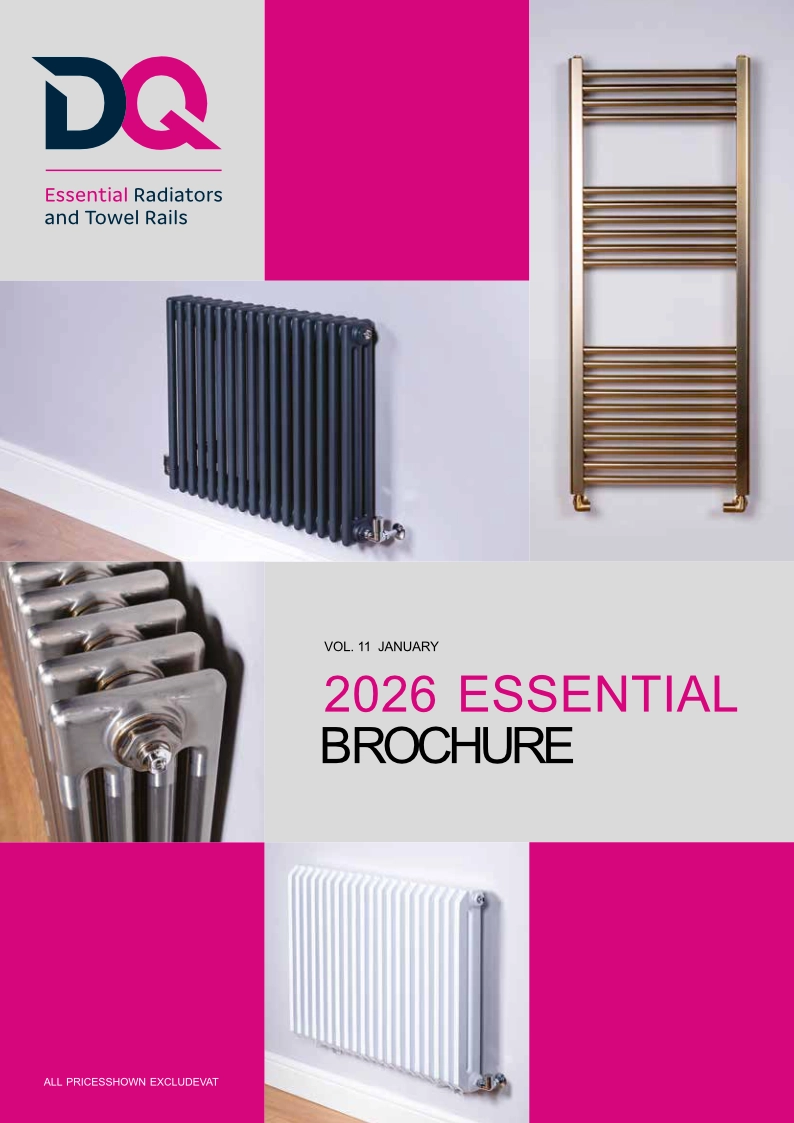
To download our latest 2026 brochures please just click on the icons below.

DQ Retail
DQ Essential